A 192-m² apartment with a courtyard/garden and a cellar, in the heart of Uzès, in a 16th-century noble dwelling listed as a historical monument - ref
A 192-m² apartment with a courtyard/garden and a cellar, in the heart of Uzès, in a 16th-century noble dwelling listed as a historical monument.
This noble dwelling with an elegant Renaissance style stands just a stone's throw from the Place aux Herbes and the Duchy, in the heart of the historical city of Uzès, in which France's first 'conservation area' was set up, in the heart of the Gard area. The municipality, with a population of 10,000, three junior high schools, a senior high school, a hospital and many shops, is famous for its gentle lifestyle, several hundred-year-old weekly market, boutiques and the aristocratic allure of its architectural heritage. The town stands on a rocky outcrop, surrounded by vineyards, olive groves and garrigue heath, forming the Uzège, the name for the sector surrounding Uzès.
Nimes and Avignon (the first of which has an airport while high-speed TGV trains can be taken from the stations in both) are respectively 30 and 45 minutes away. The major roads and motorways can be reached in less than 20 minutes.
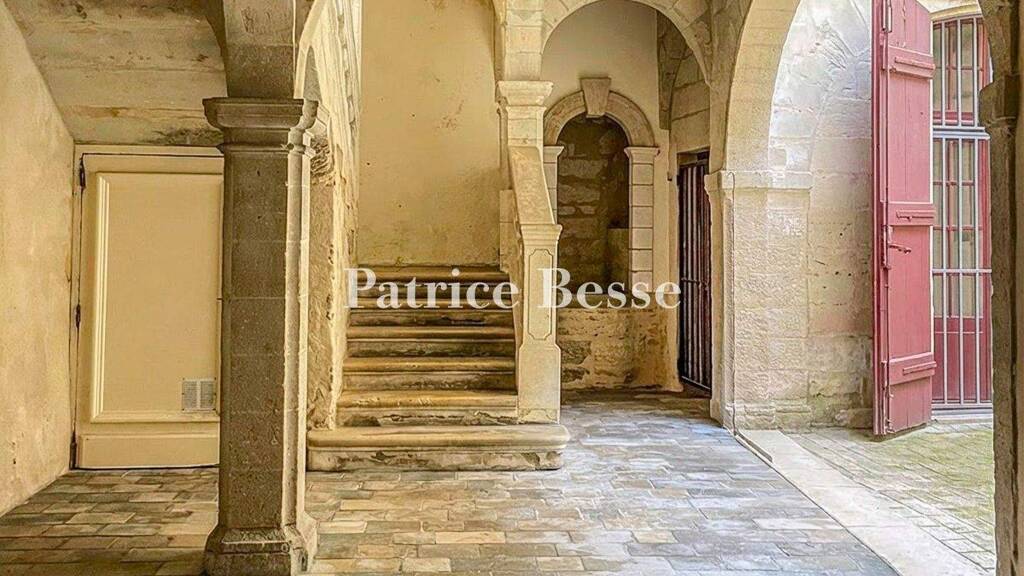
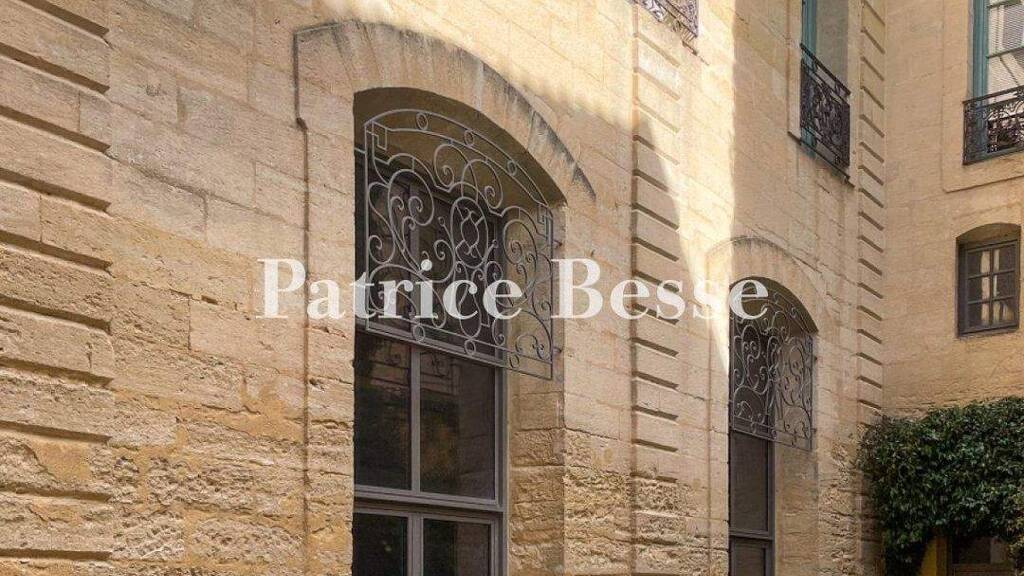
The four-storey townhouse in which the apartment is located boasts a sober ashlar facade punctuated by slightly arched or rectangular openings. The original antique style décor, the staircase tower and period mouldings within it undoubtedly earned the edifice its status as a noble residence in the 17th century as well as its listing as a historical monument. The entrance leads into a trapezoid Renaissance inner courtyard with four sides of similar appearance. It is punctuated by several windows adorned with wrought-iron defensive grating on the upper floors. The first floor boasts a sumptuous décor of sculpted pilasters adorned with termae figures and enigmatic busts that serve as supports for the entablatures.
On the old ground floor of the same style, all that remains is a Corinthian entablature with sculpted belt courses incorporating friezes of acanthus leaves. The original mullion windows were replaced during the 18th and 20th centuries by more ample glazed openings, combining the characteristics of the various periods represented. As a result, fanlight windows with baroque-style arabesque-décor wrought-iron gratings make up the exterior protection for the resolutely modern metal-framed windows and doors in the openings overlooking the courtyard/garden.
The house's stone staircase, with a baluster-adorned balustrade typical of the Renaissance style, culminates in a blaze of glory beneath a ceiling boasting a fresco painting depicting the cardinal points.
The apartment on the building's first level also possesses a cellar, which can be reached via the townhouse's communal hall. The former formal reception lounge on the ground floor is today the property's living room and still boasts door lintel and fireplace trumeau panel decorations, incorporating 17th-century trophy motifs with various features. The door lintel décors painted with views of the countryside around Uzès have been preserved, though not all the mouldings and wood panelling were conserved. The committed choice of incorporating original features in a hyper-modern restoration that respects the construction materials' exceptional quality is especially successful, particularly in the apartment's kitchen, with its immense four-arched vaulted ceiling, the vestiges of the medieval Cantou fireplace and its ultra-technical and minimalist fittings, making it a fine illustration of how combining heritage and modernity can produce the best.
The 17th-century apartmentIt is situated on the townhouse's ground floor and overlooks the courtyard/garden through five vast, south-facing French windows.
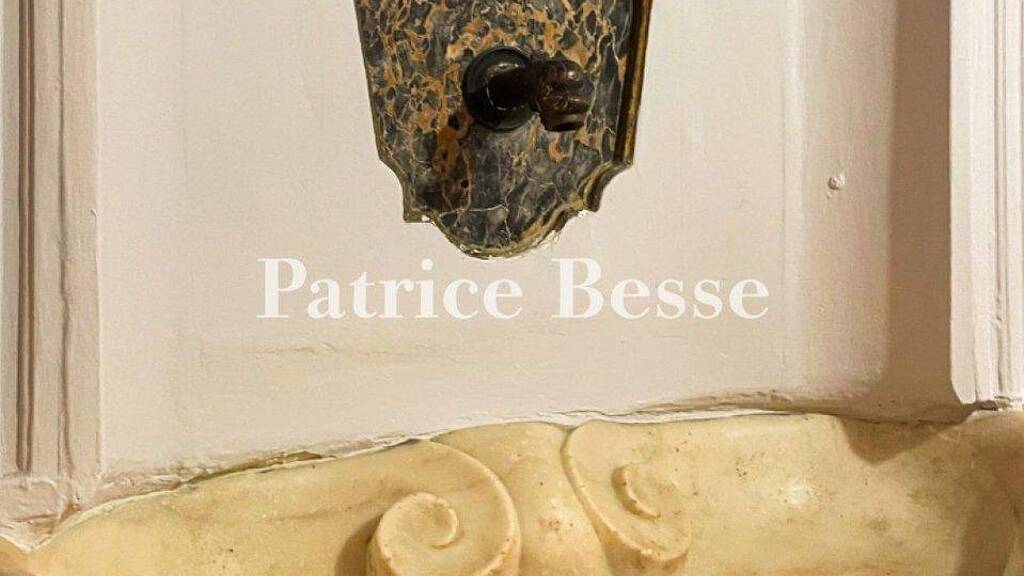
After the entrance, an L-shaped corridor with old cast flooring and a striking niche in the wall adorned with a large, pietra dura and bronze fingerbowl, leads to the living room, which was the former reception lounge. ...